Putting on socks can become surprisingly difficult when bending, reaching, or gripping is limited. The best rigid sock aids simplify the process by holding the sock open while you pull it over your foot with less strain.
This roundup compares 10 options for regular socks, compression hosiery, adjustable fit, and different levels of mobility. Use the buying guide below to narrow your choice by design, comfort, compatibility, and ease of use.
Best 10 Rigid Sock Aids Picks for 2026
Best Flexible Shell Pick

- Flexible contoured shell for easier loading
- Foam handles and adjustable 38-inch ropes
- Fits regular socks for feet up to 5 inches wide
Best For: Adults with limited mobility or weak hand strength
Best Comfort-Grip Option

- Padded 3 cm foam handles
- Slip-resistant cuff helps hold socks in place
- Adjustable 33-inch cords with button adjustors
Best For: Seniors and post-surgery users needing comfortable sock assistance
Best Wide-Opening Design

- Approximately 4.2-inch opening
- Smooth shell and non-slip foam pad
- Adjustable 38-inch ropes with foam handles
Best For: Users wanting a sturdy aid for regular socks
Best Two-Piece Kit
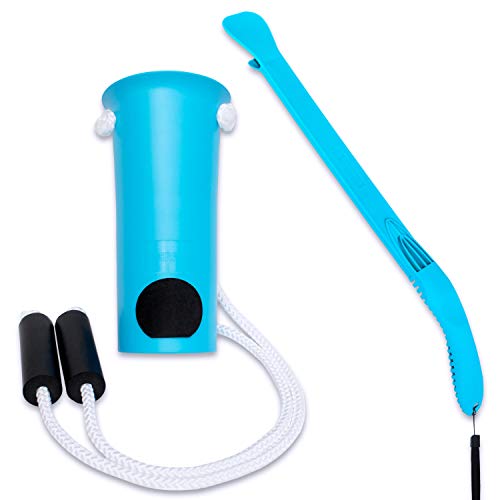
- Includes sock aid and sock remover
- Flexible components suit weak hand strength
- Designed for regular socks and feet up to 5 inches wide
Best For: Users needing help putting on and removing socks
Easy-On Terry Sock Aid
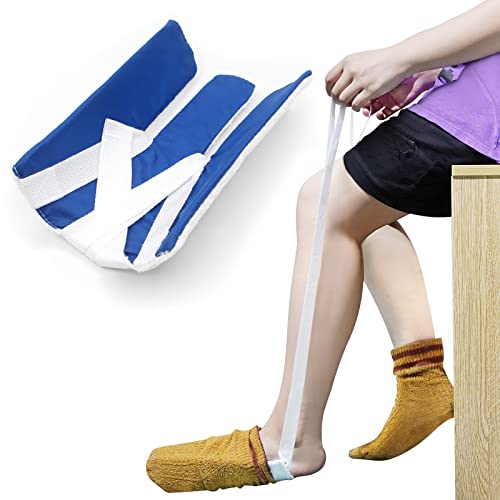
- Terry cloth helps hold socks
- Nylon side reduces friction
- Lightweight, compact design
Best For: Seniors and users who need help with everyday socks
Compression Sock Aid Kit

- Plastic shell supports elastic socks
- Includes multifunction dressing stick
- Designed to reduce bending and reaching
Best For: Compression socks and broader dressing assistance
Adjustable Cord Sock Aid
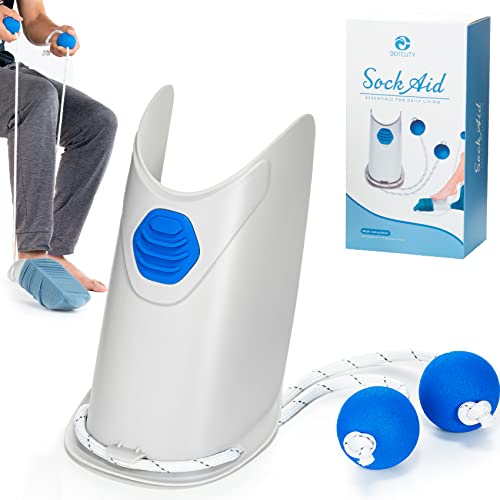
- Adjustable 30-inch cord
- Silicone pads help prevent slipping
- Works with many sock styles
Best For: Users seeking adjustable pull control and secure sock placement
Wide-Tube Pick

- Wide 4-inch tube for regular socks and stockings
- 33-inch adjustable rope reduces bending
- Includes a sock remover
Best For: Seniors and people with limited bending or mobility
Compression Choice

- Designed for compression socks and stockings
- Ergonomic grip for limited hand strength
- Fits calves under 16 inches
Best For: Small-to-medium calves needing compression-sock assistance
Two-Piece Value

- Includes aids for putting on and removing socks
- 33-inch adjustable nylon rope
- Designed for no-bend dressing
Best For: People with limited mobility who need both functions
Best Flexible Shell Pick – RMS Deluxe Sock Aid
For shoppers comparing rigid sock aids, the RMS Deluxe stands out for its flexible, contoured plastic shell and foam handles. It is designed to help users with limited mobility or weak hand strength put on regular socks without bending down.
Best For: Adults who need a flexible sock aid for regular socks and foot widths up to 5 inches.
Pros:
- Flexible shell is easier to load for users with weak hand strength.
- Soft, non-slip foam handles provide a comfortable grip.
- Adjustable 38-inch ropes allow the length to be customized.
- Works with many regular sock styles, including athletic, dress, ankle, knee, and calf-length socks.
Cons:
- Not intended for compression socks, sheer anklets, or very thin hosiery.
- Designed for foot widths measuring 5 inches or less.
This is a practical choice when flexibility and comfortable handles matter more than a fully rigid design. Its broad regular-sock compatibility and adjustable cords make it versatile for everyday dressing.
Best Comfort-Grip Option – Vive Sock Aid
The Vive Sock Aid is a straightforward option for people comparing rigid sock aids after surgery, injury, or mobility changes. Its latex-free shell, padded handles, and slip-resistant cuff are designed to help pull regular socks or hosiery over the foot with less bending.
Best For: Seniors and users recovering from surgery or injury who want padded handles and simple cord adjustment.
Pros:
- Contoured latex-free plastic shell slides over the foot and heel.
- 3 cm foam padding on each handle supports a secure, comfortable grip.
- Wide slip-resistant cuff helps keep the sock from sliding off the aid.
- Button adjustors make the 33-inch cords easy to modify.
Cons:
- The supplied notes do not specify compatibility with compression socks.
- Hand-wash care is required.
Choose this model if handle comfort and quick cord adjustments are priorities. The lightweight design and 60-day Vive guarantee add convenience for shoppers seeking a basic dressing aid.
Best Wide-Opening Design – 3.93-Inch Wide Sock Aid
This wide-opening model is worth considering among rigid sock aids for users who want a sturdy, smooth shell that guides regular socks over the heel. Its extended lip, foam pad, and adjustable ropes are intended to reduce bending and make loading easier.
Best For: Seniors, pregnant users, and post-surgery users with foot widths up to about 4.2 inches.
Pros:
- Approximately 4.2-inch opening accommodates many foot sizes.
- Extended lip and non-slip foam pad help prevent socks from slipping.
- Smooth shell edges are designed to help socks slide on without tearing.
- 38-inch adjustable ropes and soft foam handles support personalized use.
Cons:
- Not recommended for tight compression socks or extremely thick stockings.
- Best suited to foot widths measuring 4.2 inches or less.
The wide, sturdy construction may appeal to users who want more structure while dressing. It is best matched with everyday ankle, athletic, knee, calf, or dress socks rather than compression hosiery.
Best Two-Piece Kit – RMS Sock Aid Kit
For a more complete dressing setup, the RMS Sock Aid Kit pairs a sock aid with a dedicated sock and stocking remover. Compared with single-purpose rigid sock aids, this two-piece option addresses both putting on and taking off regular socks for users with limited mobility or difficulty bending.
Best For: People recovering from back, knee, or hip replacement surgery who need help both putting on and removing regular socks.
Pros:
- Includes both a deluxe sock aid and a sock or stocking remover.
- Flexible shell is designed for users with weak hand strength.
- Remover design provides leverage for users with limited arm strength.
- Smooth, flexible components help socks slide on and off without snagging.
Cons:
- Not intended for compression socks or compression stockings.
- Suitable for foot widths measuring 5 inches or less.
This kit offers better overall coverage than a standalone sock aid because it handles both directions of the task. It is a sensible pick when removing socks is as difficult as putting them on.
Easy-On Terry Sock Aid – No-Bend Sock Helper
This rigid sock aid is designed for putting on everyday socks with less bending, twisting, or reaching. Its terry side helps hold the sock while the nylon side is intended to reduce friction as you pull the aid upward.
Best For: Seniors, people with limited mobility, pregnancy, or anyone who needs help putting on ankle, knee, calf-length, athletic, trouser, or compression socks.
Pros:
- Supports a no-bending approach to putting on socks.
- Terry cloth helps hold the sock in place.
- Nylon backing is designed to reduce friction.
- Compact and lightweight at 9 x 5.12 x 2.17 inches and 2.4 ounces.
Cons:
- The notes do not specify adjustable handles or cords.
- Although listed for compression socks, compatibility may depend on sock elasticity and fit.
This is a straightforward option for shoppers who want a lightweight rigid sock aid with a fabric grip surface and broad everyday-sock compatibility.
Compression Sock Aid Kit – Shell Aid with Dressing Stick
This rigid sock aid uses a plastic shell to support medium- to high-elasticity compression socks during setup. An ergonomic grip is paired with a detachable dressing stick, making the kit useful for people who have difficulty bending or reaching.
Best For: Users recovering from back, knee, or hip replacement surgery, seniors, and anyone needing assistance with compression socks plus related dressing tasks.
Pros:
- Plastic shell is designed to support medium- to high-elasticity compression socks.
- Ergonomic grip can help when hand strength or flexibility is limited.
- Includes a detachable dressing stick with three replaceable plugs.
- Additional functions include scratching, putting on shoes, and putting on clothes.
Cons:
- The plastic head may feel slightly hard.
- At 2.43 pounds packaged, it is less lightweight than simpler sock aids.
- The larger kit may require more storage space.
This is the most versatile choice of the three for compression-stocking users who also want a multi-function dressing aid, though its kit-style design is heavier and bulkier.
Adjustable Cord Sock Aid – Non-Slip Frame Helper
This rigid sock aid combines a durable plastic frame with adjustable cords and non-slip silicone pads. Stretch the sock over the frame, place your foot into the heel pocket, and pull the handles upward to put on socks without excessive bending.
Best For: People with limited flexibility or reach who want adjustable pull cords for ankle, knee, calf-length, athletic, dress, and other everyday socks.
Pros:
- Adjustable 30-inch cord can be set to suit the user.
- Non-slip silicone pads help keep socks from sliding off the frame.
- Durable plastic is designed to withstand pressure.
- Works with a broad range of sock styles.
Cons:
- The frame may require setup and positioning before use.
- The notes do not specify whether it is intended for high-compression socks.
Choose this model if cord adjustability and sock retention are priorities. Its frame-and-handle design offers a practical balance between control and broad sock compatibility.
Wide-Tube Pick – Jellas 4-Inch Sock Aid
The Jellas 4-inch sock aid is a practical rigid sock aid for people who find bending and stretching difficult. Its frosted plastic tube, anti-slip foam, and 33-inch rope are designed to make everyday socks and stockings easier to pull on, though it is not the best choice for compression socks.
Best For: Seniors, people with back or mobility limitations, and those recovering from knee or hip replacement surgery.
Pros:
- Wide 4-inch tube accommodates feet up to the stated size limits.
- 33-inch rope helps reduce bending and can be shortened with knots.
- Includes an assembled sock remover for taking socks off more easily.
- Anti-slip foam helps hold socks in place during use.
Cons:
- Not recommended as the best option for compression socks.
- Users with arm injuries may have a less comfortable experience.
- The two-part remover is difficult to disassemble if reinforced with nails.
Choose this model when a wider rigid tube and an included remover matter most. The adjustable rope and anti-slip details add convenience for routine sock dressing.
Compression Choice – JFMkaer Compression Sock Aid
This JFMkaer device is a rigid sock aid designed specifically for putting on compression socks and stockings. Its ergonomic grip and included gloves are intended to make sock placement easier for users with limited hand strength, provided the calf circumference is 16 inches or less.
Best For: Users with small-to-medium calves who need help donning compression socks and want guided setup instructions.
Pros:
- Designed specifically for compression socks and stockings.
- Ergonomic grip supports users with limited hand strength.
- Included gloves help secure socks and reduce slipping during placement.
- Comes with written and video instructions plus stated expert assistance.
Cons:
- Fits calves with a circumference of less than 16 inches only.
- At 2.07 pounds, it is heavier than the other listed sock aids.
This is the most targeted option in the group for compression wear. Confirm your calf measurement before buying, since the fit range is more limited than a general-purpose sock aid.
Two-Piece Value – Sock Aid and Remover Kit
This two-piece kit combines a rigid sock aid with a separate remover, making it useful for people who need help both putting on and taking off socks without bending. The 33-inch adjustable cord accommodates different heights, while the product is intended for regular socks rather than compression socks.
Best For: Seniors, pregnant users, people recovering from injury or surgery, and anyone with arthritis, low-back pain, obesity, or limited mobility.
Pros:
- Provides both a sock-pulling aid and a sock remover.
- Allows socks to be put on and removed without bending over.
- Adjustable 33-inch nylon rope suits different heights.
- Designed for independent daily use by people with limited mobility.
Cons:
- Not the best choice for compression socks.
- The removable two-part remover may be less convenient to store if reinforced with pegs.
- Users must adjust the rope by making new knots.
Select this kit if having both dressing and removal assistance is more important than compression-sock compatibility. Its adjustable cord and two-tool setup make it a versatile option for everyday regular socks.
How We Picked the Best Rigid Sock Aids
We focused on practical features that affect everyday dressing: a stable rigid frame, sock retention, handle or cord design, opening width, ease of loading, and compatibility with regular or compression socks. We also considered whether each aid supports independent use for people with limited flexibility, balance, strength, or range of motion.
Because needs vary, the list includes simple sock sliders, wider models for easier loading, kits with dressing tools, and devices designed specifically for compression stockings. Product descriptions and stated dimensions should be checked carefully before purchase.
Quick Comparison
| Best For | Look For |
|---|---|
| Everyday socks | Foam handles, a smooth cradle, and a straightforward pull mechanism |
| Limited bending or reaching | Long cords or handles that reduce the need to lean forward |
| Compression stockings | A reinforced design and an opening sized for the stocking type |
| Larger feet or bulky socks | A wide mouth, such as a 3.93- or 4-inch opening |
| Multiple dressing tasks | A kit that includes a dressing stick or sock remover |
Key Buying Factors for Rigid Sock Aids
Opening Size and Sock Compatibility
Measure the sock aid’s opening against the socks you wear most often. A wider opening can make loading easier and may accommodate thicker socks, while a narrower design can provide a closer hold on lightweight socks. Compression garments often require a dedicated aid rather than a standard model.
Handles, Cords, and Control
Foam-covered handles are useful when hand strength or grip comfort is a concern. Adjustable cords can help tailor the pulling distance to your height and mobility. Longer handles or cords may reduce bending, but excessive length can make the aid harder to control.
Stability and Sock Retention
The frame should remain open while you place your foot inside and should hold the sock securely during the pull. Smooth edges help protect delicate fabric and reduce snagging. A rigid cradle is generally easier to position than a soft, collapsing aid.
Cleaning and Storage
Look for wipe-clean materials and a shape that can be stored without bending. If the aid will be used daily, simple loading and easy cleaning matter as much as the lowest price.
Who Should Buy Which Rigid Sock Aids?
Choose a basic sock aid with comfortable handles if you need help with ordinary socks but retain reasonable hand control. A wide-opening model is better for thick socks, larger feet, or anyone who finds narrow cradles difficult to load. Select an adjustable-cord design when reach and pulling distance are the main concerns.
For compression stockings, choose a model explicitly rated for compression hosiery and verify the supported leg circumference or garment size. If you need help with more than socks, a kit with a dressing stick or remover may offer better value. When pain, swelling, or circulation problems are involved, follow your clinician’s guidance on compression garments and dressing techniques.