Putting on socks can become surprisingly difficult when bending, reaching, or balancing is painful or restricted. The right sock aid helps guide a sock over your foot while reducing strain and awkward movement.
We compared 10 lightweight sock aids with different widths, handles, pull cords, and storage-friendly designs to help you find a practical match for your mobility needs and everyday socks.
Best 10 Lightweight Sock Aids Picks for 2026
Best Flexible Shell

- Flexible shell supports easier sock loading
- Soft foam handles and adjustable 38-inch ropes
- For regular socks and feet up to 5 inches wide
Best For: Adults with limited mobility or weak hand strength
Best for Comfortable Handles

- 3 cm foam-padded handles improve grip comfort
- Slip-resistant cuff helps hold socks in place
- Adjustable 33-inch cords and 60-day guarantee
Best For: Seniors and adults with limited mobility
Best Wide-Fit Design

- Approximately 4.2-inch opening for a wider fit
- Extended lip and non-slip pad hold socks securely
- Adjustable 38-inch ropes with soft foam handles
Best For: Users with limited mobility and feet up to 4.2 inches wide
Best Sock Aid and Shoe Horn Combo

- Long handle supports a three-step, no-bending routine
- Works with any type of sock or shoe
- Hook handle can help remove socks
Best For: Adults with limited movement who want multipurpose dressing help
Best Flexible Fit

- Flexible U-shaped ABS shell
- For regular socks, not compression socks
- Lightweight 6.74-ounce design
Best For: Users with foot widths up to 4 inches who need help dressing without bending
Best Adjustable Design
Rehabilitation Advantage Deluxe Sock Aid
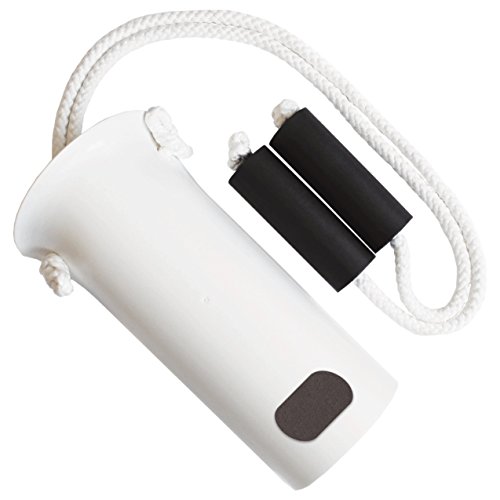
- Adjustable 33-inch cords
- Comfortable non-slip foam handles
- Lightweight and travel-friendly
Best For: Users who need customizable reach or extra handle control
Best Ultra-Light Option
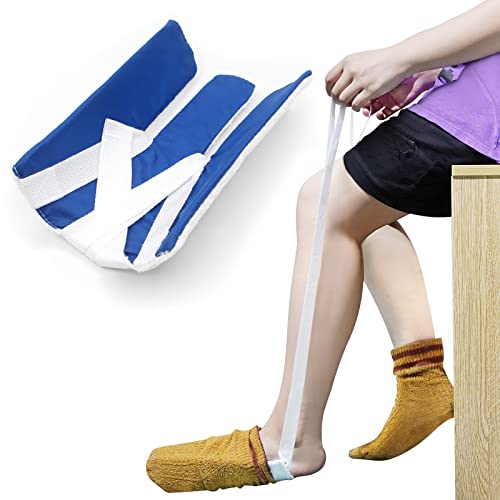
- Exceptionally light at 2.4 ounces
- Terry cloth holds socks securely
- Nylon side helps reduce friction
Best For: Users prioritizing minimal weight and no-bending sock application
Complete Daily-Mobility Kit
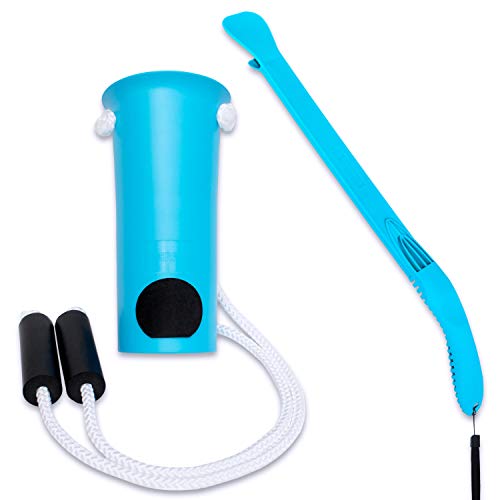
- Includes a flexible sock aid and separate remover
- Foam handle supports users with weak hand strength
- For regular socks, not compression socks
Best For: People needing help both putting on and removing regular socks
Gentle Terrycloth Grip

- Compact 2.4-ounce design
- Terrycloth and nylon layers grip socks gently
- Works with regular dress, casual, and athletic socks
Best For: Users seeking a lightweight aid for putting on regular socks
Wide-Tube Adjustability

- 4-inch tube with anti-slip foam
- 33-inch rope can be shortened
- Includes a long assembled sock remover
Best For: Users who want extra reach and a wider aid for regular socks
Best Flexible Shell – RMS Deluxe Sock Aid
For shoppers comparing lightweight sock aids, the RMS Deluxe model is a practical choice for regular socks when bending or reaching is difficult. Its flexible contoured shell and foam handles are designed to make independent dressing easier.
Best For: Adults with limited mobility or weak hand strength who wear regular socks on feet measuring 5 inches or less.
Pros:
- Flexible, contoured plastic shell is easier to load for users with weak hand strength.
- Soft, non-slip foam handles provide a comfortable grip.
- Adjustable 38-inch ropes can be customized by tying new knots.
- Compatible with several regular sock styles, including ankle, knee, athletic, and dress socks.
Cons:
- Not designed for compression socks, sheer anklets, or very thin hosiery.
- Limited to foot widths of 5 inches or less.
The RMS Deluxe stands out for its flexible shell and straightforward pull-up design. Confirm your foot width and sock type before choosing it.
Best for Comfortable Handles – Vive Sock Aid
Among lightweight sock aids, the Vive Sock Aid offers a simple way to put on regular socks or hosiery without excessive bending. Its contoured shell, padded handles, and adjustable cords support users recovering from surgery, injury, or mobility limitations.
Best For: Seniors and adults who want padded grips and adjustable cord length for independent sock dressing.
Pros:
- Contoured latex-free plastic shell slides over the foot and heel.
- Handles include 3 cm of foam padding for a secure, comfortable grip.
- Wide, slip-resistant cuff helps keep the sock in place.
- Button adjustors make the 33-inch cords easy to modify.
Cons:
- Hand-wash-only care may require more maintenance.
- The supplied notes do not specify compatibility with compression socks or particular foot widths.
The Vive is a sensible option when handle comfort and quick cord adjustment are priorities. Its included 60-day guarantee adds purchase reassurance.
Best Wide-Fit Design – 3.93-Inch Wide Sock Aid
This wide-fit option is one of the lightweight sock aids designed to reduce bending and straining during dressing. Its sturdy contoured shell, extended lip, and foam handles help guide regular socks over the heel.
Best For: Seniors, pregnant users, and post-surgery adults with limited mobility whose feet measure 4.2 inches or less.
Pros:
- Wide opening of approximately 4.2 inches supports a more accommodating fit.
- Extended lip and non-slip foam pad help keep socks from slipping during use.
- Adjustable 38-inch ropes and buckle make positioning easier.
- Smooth plastic edges are designed to help socks slide on without tearing.
Cons:
- Not recommended for tight compression socks or extremely thick stockings.
- Limited to foot widths of 4.2 inches or less.
Choose this model if a wider opening and a sturdy shell matter most. It is best matched with everyday socks rather than specialized hosiery.
Best Sock Aid and Shoe Horn Combo – DMI Sock Aid & Shoe Horn
For shoppers seeking lightweight sock aids with added dressing support, the DMI Sock Aid combines a sock cradle with a long-handle shoe horn. Its floor-based, three-step design helps reduce bending, stretching, and straining.
Best For: Adults with limited movement who want one tool for putting on socks, putting on shoes, and removing socks.
Pros:
- Long handle supports dressing without bending or reaching as far.
- Designed for use with any type of sock or shoe.
- Hook handle provides extra support and can help remove socks.
- Includes screws and a screwdriver for assembly.
Cons:
- Requires assembly, including securing the handle and assembling the base.
- At 16 ounces, it is heavier than the other listed sock aids.
- Its larger multi-piece design may be less convenient to store until disassembled or arranged.
The DMI is the most versatile pick in this group because it also functions as a shoe horn and sock remover. Consider it when broader dressing assistance matters more than the lowest weight.
Best Flexible Fit – KEKOY 4-Inch Sock Aid
The KEKOY is a practical choice among lightweight sock aids for people who want to dress without bending. Its flexible U-shaped shell is designed for regular socks and helps keep the sock opening in place during use.
Best For: Adults recovering from knee, hip, or back procedures, as well as people with arthritis, limited mobility, or difficulty bending.
Pros:
- Lightweight 6.74-ounce design.
- Flexible ABS shell is easier to load than a rigid design.
- Works with ankle, knee, calf, athletic, dress, and other regular socks.
- U-shaped opening helps maintain the sock size and reduces pressure on the instep.
Cons:
- Suitable only for foot widths of 4 inches or less.
- Not designed for compression socks or compression stockings.
The KEKOY stands out for its flexible shell and clearly defined fit limit. Check your foot width and sock type before buying, especially if you need a compression-sock aid.
Best Adjustable Design – Rehabilitation Advantage Deluxe Sock Aid
The Rehabilitation Advantage Deluxe is one of the more adaptable lightweight sock aids, combining a contoured shell with foam handles and adjustable cords. It is designed to make sock application easier for people with limited mobility or a weak grip.
Best For: Seniors, disabled users, and people recovering from hip, knee, or back procedures who want adjustable reach and comfortable handles.
Pros:
- Lightweight 5.44-ounce construction.
- Adjustable 33-inch cords can be retied for a personalized reach.
- Non-slip foam handles provide control and leverage.
- Compact, portable design is suitable for home, clinic, or travel.
Cons:
- Requires adjusting the cord knots to customize the fit.
- Its listed dimensions may be less compact than the smallest sock aids.
This model is a strong option when handle comfort and cord length matter. Its adjustable design can accommodate different arm reaches, while the foam pad helps hold the sock during loading.
Best Ultra-Light Option – Dark Blue Sock Aid Helper
At 2.4 ounces, this dark blue sock helper is an especially lightweight option for putting on socks without bending, twisting, or turning. Its terry cloth side grips the sock while the nylon side is intended to reduce friction as it moves.
Best For: Seniors, disabled users, pregnant people, and others seeking a very light aid for ankle, knee, calf, athletic, trouser, or similar socks.
Pros:
- Very light 2.4-ounce design.
- Terry cloth helps hold the sock in place.
- Nylon backing is designed to reduce friction.
- Supports dressing without bending or twisting.
Cons:
- The supplied notes do not specify adjustable cord length or handle details.
- Although compression sock donners are mentioned, the notes do not provide specific compression-sock compatibility details.
This is a compelling pick when minimizing weight is the priority. Its fabric construction is aimed at easier loading and movement, but shoppers wanting adjustable handles may prefer a more feature-rich design.
Complete Daily-Mobility Kit – RMS Sock Aid Kit
The RMS Sock Aid Kit combines a flexible sock aid with a separate remover, making it a practical option among lightweight sock aids for people who have difficulty bending or gripping. Its soft shell and foam handle are designed for regular socks, while the doffer helps with removal.
Best For: Adults with limited mobility, weak hand strength, or recovery needs after back, knee, or hip replacement surgery.
Pros:
- Includes both a sock aid and sock or stocking remover.
- Soft, flexible shell is designed for weak hand strength.
- Foam handle and smooth surfaces support easier handling and reduce snagging.
- Works with many regular sock types, including ankle, knee, athletic, and dress socks.
Cons:
- Not intended for compression socks or compression stockings.
- Designed for foot widths of 5 inches or less.
Choose this kit if you want one lightweight solution for both putting on and taking off regular socks. The separate doffer adds useful leverage, though sizing and sock compatibility should be checked first.
Gentle Terrycloth Grip – CAidRE Lightweight Sock Aid
This compact CAidRE sock aid is one of the more lightweight sock aids for putting on regular socks without bending, twisting, or turning. Its terrycloth exterior and nylon interior are designed to hold fabric securely while helping reduce friction.
Best For: Seniors, pregnant users, people with disabilities, and anyone with mobility limitations who wants a compact sock helper.
Pros:
- Weighs 2.4 ounces for easy handling.
- Three-finger design helps hold stockings and socks.
- Terrycloth exterior and nylon interior provide a gentle yet firm grip.
- Suitable for many regular dress, casual, and athletic socks.
Cons:
- Does not work well with compression socks.
- The supplied notes describe a sock aid but do not indicate a separate sock-removal tool.
This is a straightforward choice when low weight and gentle fabric contact matter most. It is best suited to regular socks and users who need assistance pulling them on without bending over.
Wide-Tube Adjustability – Jellas Sock Aid Kit
The Jellas Sock Aid Kit pairs a 4-inch-wide tube with a long rope and an assembled sock remover. As lightweight sock aids go, it offers useful reach for users who want to reduce bending, along with a tube designed to accommodate regular socks and feet up to the stated size limits.
Best For: Seniors and people with back, leg, foot, knee, or hip-related mobility challenges who need extra reach and a wider sock aid.
Pros:
- 4-inch-wide tube accommodates feet up to 4 inches wide and smaller than 14 inches in length.
- 33-inch rope can be shortened by tying knots.
- Anti-slip foam helps hold socks on the tube.
- Includes an 18.5-inch assembled sock remover.
Cons:
- Not best suited for compression socks.
- The remover can be difficult to disassemble if reinforced with nails.
- Arm injuries may affect the user experience.
This kit stands out for its wide tube and adjustable rope, which can make positioning easier for many users. Check the stated foot dimensions and consider the assembly choice if storage or portability is important.
How We Picked the Best Lightweight Sock Aids
We focused on practical features that affect daily use: overall weight, sock compatibility, opening width, handle or cord design, grip comfort, stability, storage, and ease of loading. We also considered whether each aid is suited to regular socks, thicker socks, or users who need extra reach. A lightweight design is helpful, but it should still feel stable enough to keep the sock in place as you pull it over the foot.
Because mobility needs vary, no single device is best for everyone. The most useful choice depends on leg flexibility, hand strength, foot size, and whether the user can reach down far enough to load the aid.
Quick Comparison
| Feature | What to Look For |
|---|---|
| Opening width | Choose a wider opening for larger feet or thicker socks. |
| Handles | Long foam handles can reduce bending and provide a secure grip. |
| Pull cords | Cords may offer more reach but require adequate hand control. |
| Sock type | Check whether the aid is intended for regular, dress, athletic, or compression socks. |
| Storage | Compact or collapsible designs are easier to keep beside a bed or chair. |
Key Buying Factors for Lightweight Sock Aids
Fit and Sock Compatibility
Measure the user’s foot and consider the socks worn most often. A narrow aid may work well with standard thin socks, while a 4-inch opening can be more accommodating for larger feet or heavier fabric. Very tight compression socks may need a specialized donning aid rather than a basic sock slider.
Reach and Control
Long handles are useful for people with limited hip or knee flexibility. Rope-style models can provide additional length, but they demand enough finger strength to pull evenly. Foam-covered handles are often more comfortable for users with arthritis or reduced grip.
Loading and Stability
Look for a design that holds the sock securely during loading and does not twist easily under tension. A simple three-step setup can be easier for independent users, while caregivers may prioritize fast, repeatable operation.
Who Should Buy Which Lightweight Sock Aids?
Choose a handled sock aid if bending is the main challenge or if you want a more controlled grip. A cord-based model may suit users who need extra reach or have difficulty bringing the device close to the body. Wider models are a sensible choice for larger feet and thicker everyday socks, while compact kits work well for travel, bedside storage, or occasional use.
If the user has severe weakness, painful swelling, balance concerns, or needs compression hosiery, ask a clinician or occupational therapist for guidance before choosing. For routine dressing assistance, the best Lightweight Sock Aids are the ones that match the user’s sock type, reach, grip, and ability to load the device consistently.